

Blog
Customer Returns, Overstock and Shelf Pulls: What the Terms Actually Mean

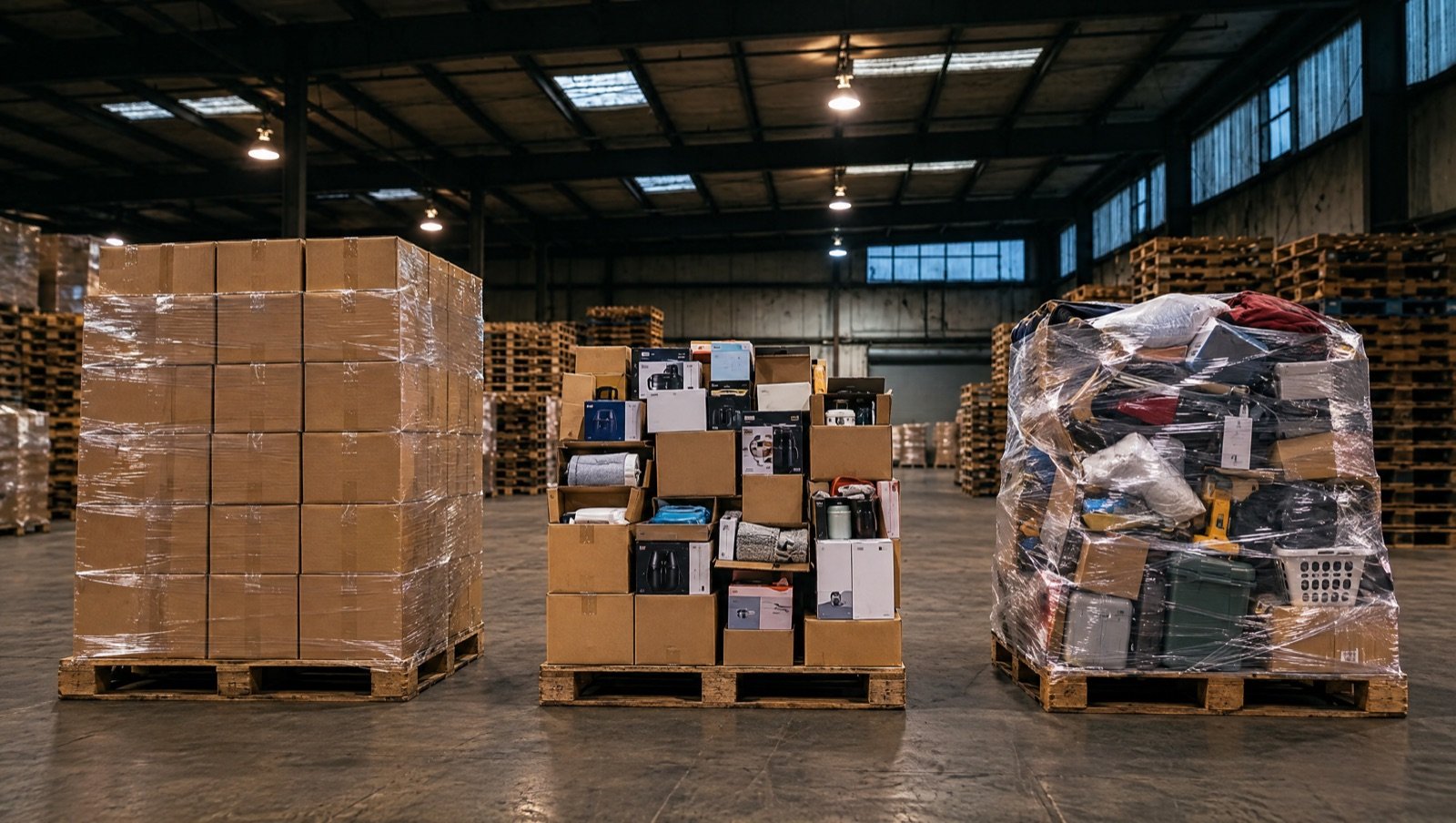
Liquidation listings lean on a small set of terms: customer returns, overstock, shelf pulls, open box, excess inventory. They are not interchangeable. They describe genuinely different stock, and the difference changes what arrives on your pallet.
Here is what each term means in practice, and what it implies for condition.
Customer returns
Merchandise a shopper bought and then sent back. The reason varies enormously and that is the important part. Some returns are unopened and were sent back because the buyer changed their mind or ordered two sizes. Others were opened, used, and returned because something was wrong with them.
A returns pallet therefore spans the widest condition range of anything in liquidation. Expect a mix: sealed items, opened items with all their parts, opened items missing accessories or packaging, and some that do not work at all. Retailers generally do not test returns individually before liquidating them, and neither do we.
What it means for you: the highest variance, and usually the lowest cost per unit. Returns suit sellers who are set up to test, sort and grade, and who price with failures already built into the maths.
Overstock
Merchandise that was never sold to anyone. A retailer or supplier ordered more than they needed, a season ended, a line was discontinued, or a planogram changed. The goods went from the warehouse to liquidation without passing through a customer.
Because nobody has used it, overstock is typically in much better condition than returns. Items are often still sealed in original packaging. What you tend to see instead is dated or seasonal stock, since the reason it is being liquidated is usually that it stopped selling rather than that anything is wrong with it.
What it means for you: more predictable condition, less sorting, generally a higher price per unit than returns. Good for sellers who want consistency more than the lowest possible cost.
Shelf pulls
Stock that made it onto the retail floor but was pulled before being sold. It might be a discontinued line, a rotation for a new display, or packaging that no longer looks saleable at full price.
Shelf pulls sit between the other two. The product itself is usually unused and working, but the packaging has been handled: scuffed boxes, missing hang tags, price stickers, opened but complete. Shelf pulls are where open box and shelf pull overlap most.
What it means for you: mostly sound product with cosmetic packaging issues. Fine for channels where packaging does not matter much, harder where customers expect retail presentation.
Open box and excess inventory
Open box describes the packaging rather than the source. The box has been opened at some point, whether by a customer, a store or a warehouse. The contents may be complete and unused, or not.
Excess inventory is a broader label for stock a business no longer needs. In practice it overlaps heavily with overstock.
Why most real pallets say “mixed”
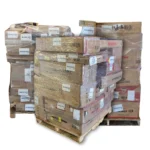
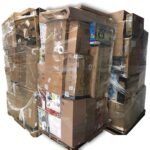
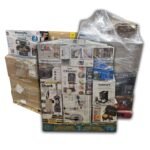
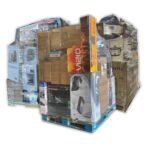
Actual liquidation loads are rarely one clean category. A trailer leaving a retailer contains what that retailer needed to clear that week, which is usually several of these types at once. That is why most honest listings describe a load as mixed condition rather than claiming a single grade across thousands of pieces.
When you see a mixed condition or as-is description, that is not vagueness for its own sake. It is an accurate statement about a load nobody has opened piece by piece.
What this means before you buy
- Read the stated condition basis on the listing. It tells you which end of the range to expect.
- Price for the spread, not the best case. Assume a share of any lot will not be sellable at full value.
- Match the type to your channel. Returns reward sellers who can test and repair. Overstock suits sellers who need presentable stock with minimal handling.
- Treat exact counts as estimates. Typical quantities are ranges, not guarantees, and any seller quoting an exact piece count on an unopened load is telling you more than they know.
How we describe our lots
Every listing identifies the stated condition of the lot, such as customer returns, overstock, shelf pulls or other liquidation inventory, and whether it is a single pallet or a full truckload. Everything is sold as-is, with no seller warranty and no testing, repair or refurbishment before sale. We would rather set the expectation correctly than sell you a load you were not expecting.
If a lot turns out to be materially different from how it was described, that is a different matter and it is covered. Our Refund and Returns Policy explains what qualifies, and our Warranty Policy explains why as-is and claims support are two separate things.
Ready to look? Browse current lots, or read our FAQs if you still have questions.