

Blog
What Is a Liquidation Truckload, and Is It Right for You?

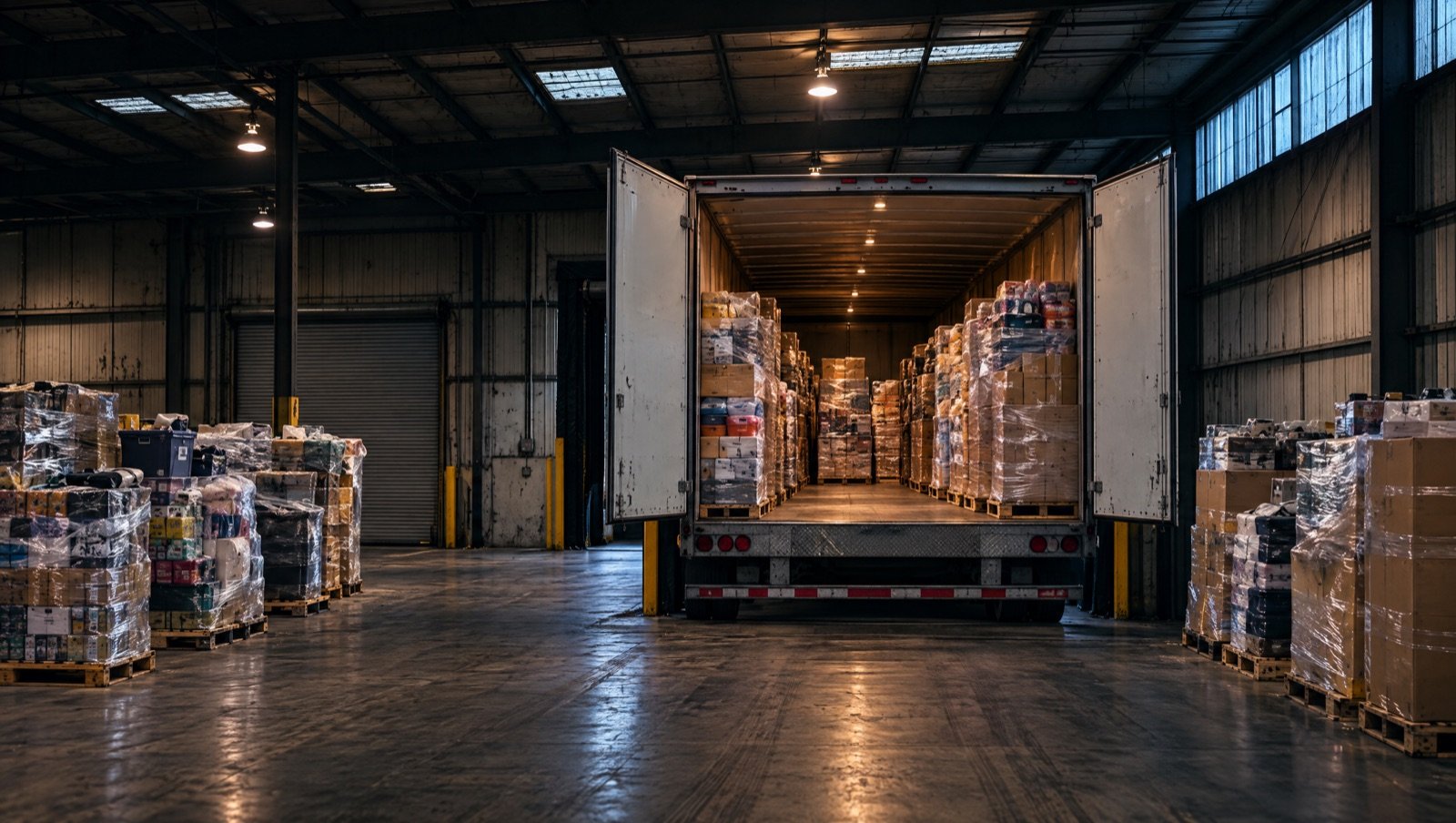
A liquidation truckload is the largest lot we sell. Instead of buying one pallet at a time, you buy the contents of a full trailer as a single delivered unit. For some buyers that is the most efficient way to source inventory. For others it is far more stock than they can process, and a single pallet is the better starting point.
This guide explains what a truckload actually contains, how it differs from a single pallet, and the practical questions worth answering before you commit to one.
What a truckload actually is
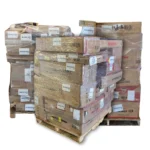
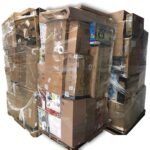
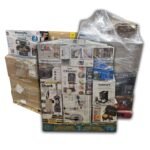
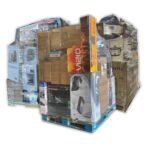
A truckload is a full trailer of liquidation merchandise, usually made up of many individual pallets. The merchandise is the same type of inventory we sell by the pallet: customer returns, overstock, shelf pulls and other excess retail stock. The difference is quantity, not category.
Because a truckload is assembled from whatever inventory is moving at the time, the exact mix varies. Our listings state the department and the general condition basis of the load. They do not itemise every carton, and no liquidation seller can honestly promise that they do.
How a truckload differs from a single pallet
- Volume. A pallet is one handling unit. A truckload can be many pallets, which means far more units to sort, list and store.
- Unloading. A single pallet can often be handled with a liftgate at the curb. A full trailer normally expects a dock or a forklift. This is the practical constraint that catches most first-time truckload buyers.
- Price per unit. Buying in trailer quantities usually lowers the cost per item, which is the main reason established resellers move up to truckloads.
- Risk concentration. A disappointing pallet is a small loss. A disappointing truckload is a large one. Liquidation stock is sold as-is, so the variance is real at any size.
Who a truckload actually suits
Truckloads tend to work for buyers who already have three things in place: somewhere to receive and store the freight, a way to unload it, and an existing sales channel that can absorb the volume. Bin store operators, established online resellers and discount retailers usually have all three.
If you are still testing whether liquidation buying fits your business, a single pallet answers that question at a fraction of the commitment. There is no advantage to starting large.
What to sort out before you order
Receiving
Confirm how the trailer will be unloaded before you buy, not after it is scheduled. A loading dock is the simplest option. A forklift with sufficient capacity also works. If you have neither, contact us before ordering so we can tell you whether liftgate service can be arranged for the load in question. Liftgate is not automatic and it is not suitable for every shipment.
Storage
Work out where the pallets will physically sit once the trailer leaves. Merchandise that has nowhere to go tends to stay on the pallet, and stock you cannot reach is stock you cannot sell.
Time
Sorting a truckload is real work. Budget the hours before you commit to the freight.
How buying works here
Placing an order does not charge you. It reserves the lot and sends the order to our team, and we email you written payment instructions with the exact amount. The lot is held for 48 hours while payment is arranged. Once cleared funds are received, the order is confirmed and scheduled.
Freight is included. We ship free to all 50 states with no minimum order, and the price on an eligible listing is the delivered price. You will not receive a separate freight invoice from us. Full detail is in our Shipping Policy and our Payment Policy.
Condition, and what is covered
Every truckload is sold as-is. There is no seller warranty on liquidation merchandise, and individual items are not tested, repaired or refurbished before sale. Expect a spread of condition across the load, including items that are damaged, incomplete or non-functional. That variability is the liquidation model, and it is why the pricing works.
What we do stand behind is the accuracy of what we sold you. If a load arrives damaged in transit, note it on the Bill of Lading at delivery and tell us within 48 hours so a freight claim remains possible. For a wrong lot, a materially misrepresented condition or a shortage, contact us within 30 days of delivery. The specifics are set out in our Refund and Returns Policy and our Warranty Policy.
A straight answer
A truckload is the right call when volume is your constraint and you already have the space, the equipment and the sales channel to handle it. It is the wrong call when you are still learning what sells. Nothing about a larger lot improves the odds on the merchandise inside it, and buying more of an unknown does not reduce the unknown.
If you are unsure which size fits, contact us with your ZIP code and your receiving setup and we will tell you plainly what will and will not work at your address. You can also browse current lots to see what is available now.