

Blog
10 Tips for Finding Valuable Liquidation Pallets

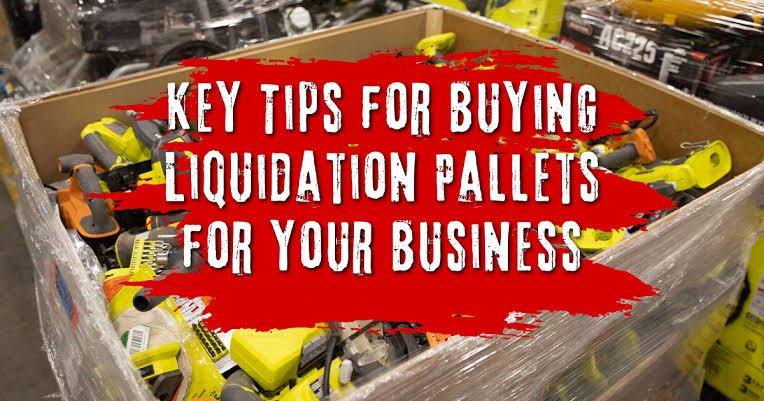
Liquidation pallets can be a great way to source discounted merchandise for resale or find products at prices below traditional retail. But not every pallet offers the same potential value.
Whether you’re a new reseller or an experienced liquidation buyer, knowing what to look for can help you make more informed purchasing decisions.
Here are 10 tips for finding valuable liquidation pallets.
1. Research the Liquidation Supplier
Start by researching the company selling the pallet.
Look for a supplier that provides clear information about its inventory, product conditions, pricing, shipping options, and return policies. A transparent supplier makes it easier to understand what you’re purchasing.
Take the time to read customer reviews and learn about the company’s reputation before making a large purchase.
2. Understand the Source of the Inventory
Knowing where liquidation merchandise comes from can give you a better idea of what to expect.
Common sources include:
Customer returns
Overstock
Shelf pulls
Store closeouts
Excess inventory
Discontinued merchandise
Each source can have different product conditions and characteristics, so make sure you understand the type of inventory you’re buying.
3. Look for Detailed Pallet Information
The more information available about a pallet, the better.
Before purchasing, look for details such as:
Product categories
Brands
Item quantities
Product condition
Photos
Estimated retail value
Known missing parts or accessories
A detailed listing can help you evaluate whether the pallet matches your budget and resale strategy.
4. Research Actual Resale Prices
One of the biggest mistakes new liquidation buyers make is focusing only on retail value.
An item that originally sold for $100 may not actually resell for $100 today.
Research current marketplace prices and, when possible, look at completed sales to understand what customers are actually paying.
This can help you estimate the potential resale value of the merchandise more realistically.
5. Pay Attention to Product Condition
Condition can have a major impact on value.
A pallet may contain new, open-box, used, returned, or damaged products. Some items may also have missing packaging, accessories, or parts.
Before buying, carefully review the condition information provided by the seller. Understanding what you’re getting can help you avoid unexpected surprises.
6. Focus on Products You Understand
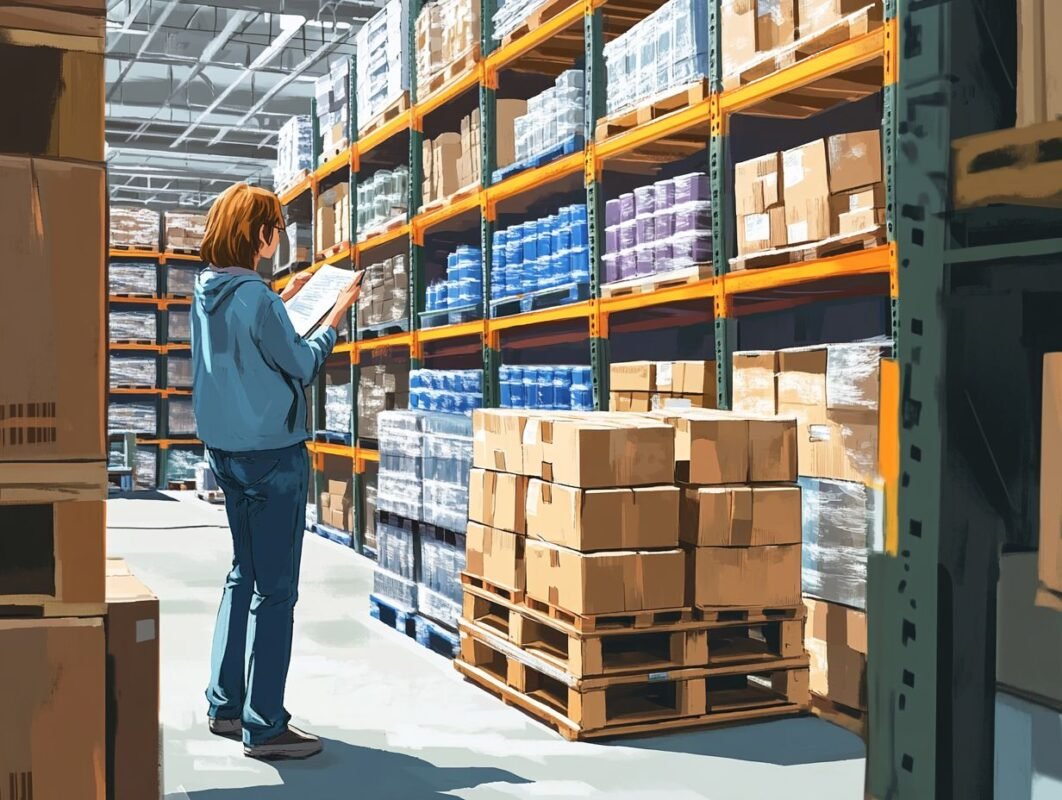
If you’re buying pallets for resale, consider starting with product categories you already know.
For example, if you understand electronics, you may be better equipped to identify valuable brands and assess product condition.
Knowledge of a particular category can make it easier to price products, recognize demand, and identify potential opportunities.
7. Calculate Your Total Investment
Don’t judge a pallet based solely on its purchase price.
Your total investment may include:
Purchase price
Shipping or transportation
Storage
Packaging
Marketplace fees
Cleaning or repairs
Advertising
Taxes and other business expenses
Understanding your total cost can help you determine whether the potential revenue makes sense for your business.
8. Look for High-Demand Products
Products with consistent consumer demand can be easier to sell than highly specialized or obscure items.
Depending on current market trends, popular categories may include electronics, tools, home goods, small appliances, toys, apparel, and other everyday merchandise.
However, demand changes over time, so research the market before making a purchase.
9. Start With a Manageable Purchase
If you’re new to liquidation pallets, consider starting small.
A single pallet can help you learn how to:
Inspect merchandise
Organize inventory
Calculate your costs
Create product listings
Determine resale prices
Handle customer orders
Once you understand your process and sales channels, you can consider increasing your purchasing volume.
10. Track Your Results
Keep records of every pallet you purchase.
Track:
Total purchase cost
Number of sellable items
Individual selling prices
Platform fees
Additional expenses
Total revenue
Unsold inventory
Profit or loss
Over time, this information can show you which types of pallets and products work best for your business.
What Makes a Liquidation Pallet Valuable?
A valuable liquidation pallet isn’t necessarily the pallet with the highest advertised retail value.
Instead, value can depend on several factors, including:
Purchase Price: A reasonable purchase price gives you more room to cover expenses and potentially earn a profit.
Product Condition: New and functional merchandise may have different resale potential than used or damaged products.
Demand: Products that customers actively want may be easier to sell.
Brand Recognition: Well-known brands can sometimes attract more buyers, depending on the product and market.
Resale Costs: Lower fees, storage costs, and processing expenses can improve your overall results.
Mistakes to Avoid When Buying Liquidation Pallets
Finding valuable liquidation inventory also means knowing what to avoid.
Don’t purchase a pallet simply because it has a high estimated retail value. Don’t ignore condition details, and don’t spend more than you can comfortably afford.
It’s also important not to assume that every item in a pallet will sell quickly or at the price you expect.
Research, realistic expectations, and careful budgeting are essential.
Find Liquidation Pallets at Pallet Plaza Liquidation
At Pallet Plaza Liquidation, we provide liquidation merchandise for resellers, entrepreneurs, businesses, and bargain shoppers.
Our inventory may include customer returns, overstock, shelf pulls, closeouts, and other liquidation merchandise. Since liquidation inventory changes frequently, available products and pallets can vary.
Whether you’re searching for your first pallet or looking to expand your inventory sourcing, we encourage you to review the available merchandise and choose products that fit your budget and goals.
Ready to find your next liquidation opportunity?
Explore the available inventory at Pallet Plaza Liquidation today.
Frequently Asked Questions
How do I know if a liquidation pallet is valuable?
Consider the purchase price, product condition, current demand, potential resale prices, and your total expenses. A pallet’s advertised retail value alone doesn’t determine its actual value.
What type of liquidation pallets are best for resellers?
The right pallet depends on your experience, budget, sales channels, and knowledge of specific product categories. Products you understand well can make inventory easier to evaluate and sell.
Are customer return pallets worth buying?
Customer return pallets can contain valuable merchandise, but their condition can vary significantly. Review the available condition information before purchasing.
Should beginners buy liquidation pallets?
Yes. Beginners can start with a manageable purchase to gain experience before investing in larger quantities.
Can liquidation pallets be profitable?
They can provide an opportunity for resale, but profitability isn’t guaranteed. Your results depend on factors such as purchase price, merchandise condition, demand, selling prices, and operating expenses.
Final Thoughts
Finding valuable liquidation pallets takes more than simply looking for the biggest discount. The best approach is to research the supplier, understand the inventory, evaluate product condition, check real-world resale prices, and calculate your total costs.
With experience and careful purchasing decisions, you can develop a liquidation sourcing strategy that works for your business.
Explore liquidation inventory at Pallet Plaza Liquidation and start looking for your next great deal.